top of page
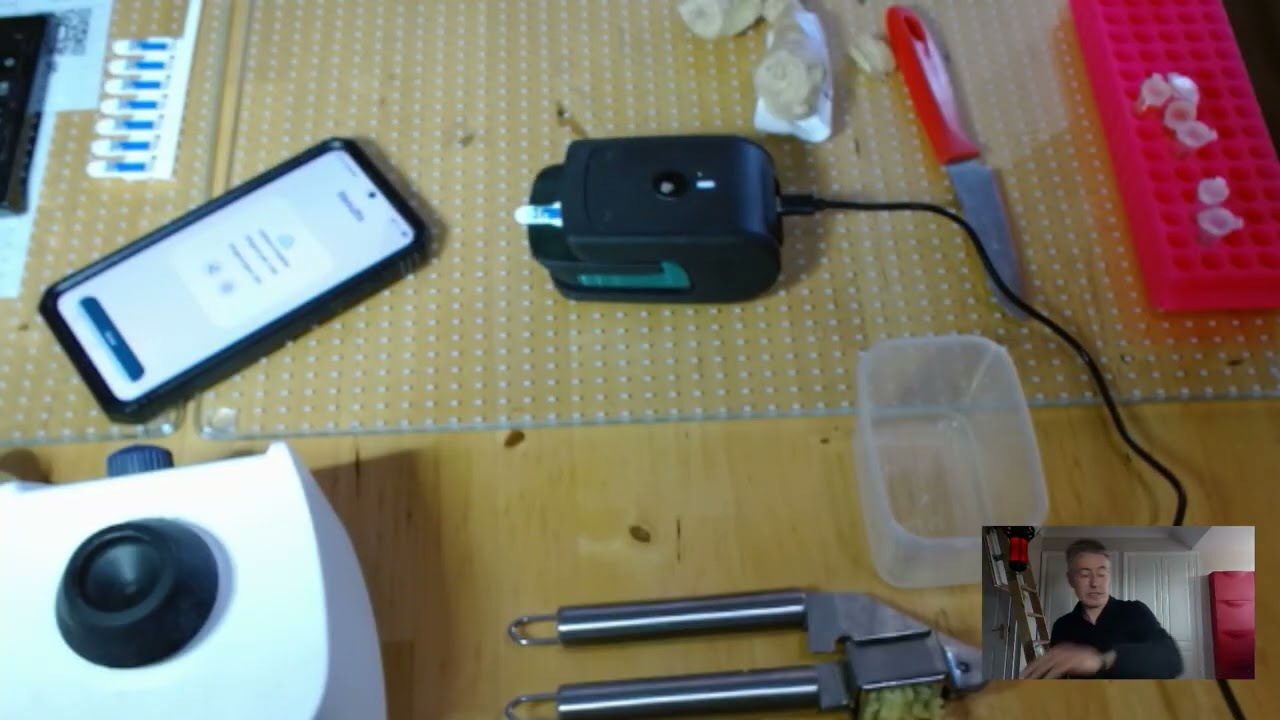
Measuring Total Gingerols in Ginger Shots and Fresh Ginger Root with FoodSense Generation 4
Understanding the concentration of gingerols in ginger-based products is critical for ensuring consistent quality, flavour, and pungency. In this demonstration, we showcase how the FoodSense Generation 4 platform enables rapid, real-time measurement of total gingerols in both a commercial ginger shot and freshly pressed ginger root juice. Why Measure Total Gingerols? Gingerols are the key bioactive compounds responsible for the characteristic pungency and flavour of ginger. F
martinpeacock13
17 hours ago3 min read

From Measurement to Insight: How AI and FoodSense Generation 4 Are Transforming Chilli Quality Analysis
The food industry is generating more data than ever before, but data alone does not create value. The real challenge is turning measurements into meaningful insights that help producers, breeders, and manufacturers make better decisions. This is exactly where the combination of FoodSense Generation 4, cloud connectivity, and artificial intelligence can make a significant difference. In a recent live demonstration, we explored how FoodSense Generation 4 enables rapid capsaicin
martinpeacock13
Sep 35 min read
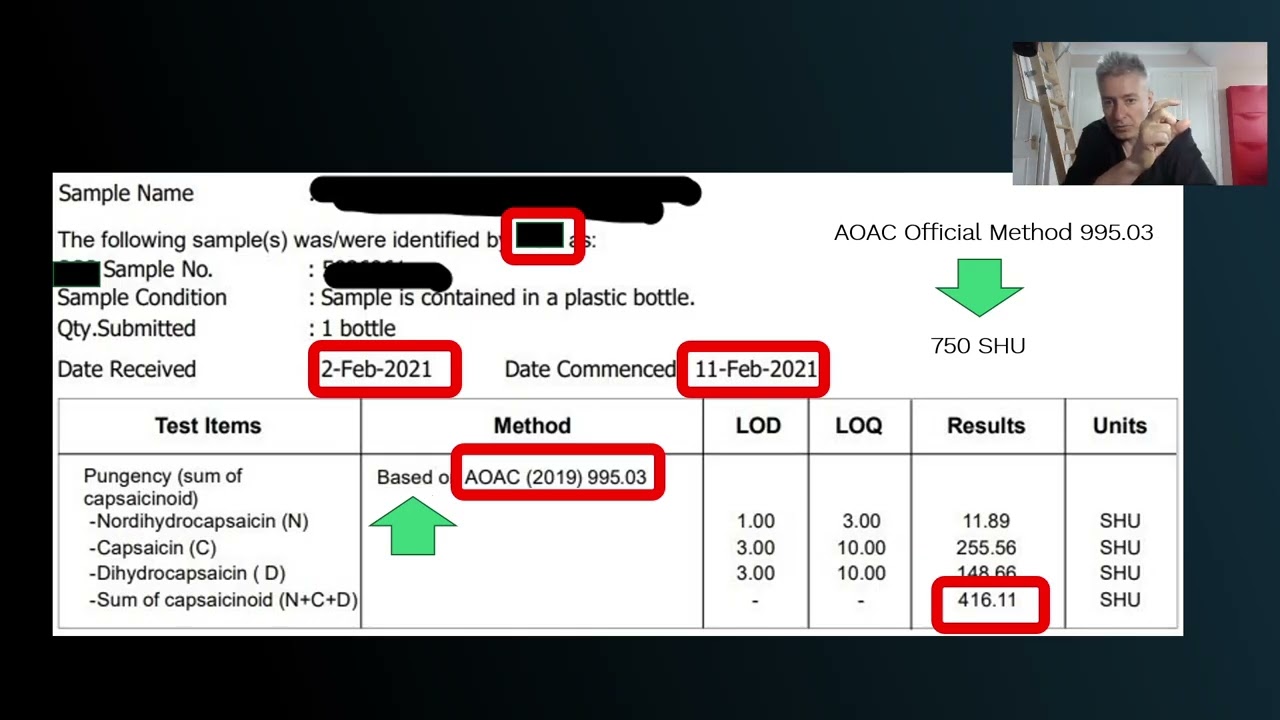
Why Scoville Heat Unit Certificates of Analysis Deserve Closer Scrutiny
When discussing chilli heat measurement, many people naturally look to laboratory Certificates of Analysis (CoAs) as the gold standard. However, as we regularly discover in conversations with customers, not all certificates are as definitive as they first appear. In this article, we'll explore some common issues with Scoville Heat Unit (SHU) testing, how widely used HPLC methods are applied in practice, and why transparency and data traceability matter when evaluating results
martinpeacock13
Aug 264 min read
When FoodSense and HPLC Disagree: Is the Laboratory Result Always the Gold Standard?
At FoodSense, one of the questions we are occasionally asked is: "If a FoodSense Generation Four result differs from a laboratory HPLC result, which one should be trusted?" The instinctive response from many people is to assume that the laboratory result must be correct. After all, HPLC has long been regarded as the industry's reference method for capsaicinoid analysis. However, the reality is often more complicated, particularly when testing complex manufactured foods rather
martinpeacock13
Aug 25 min read
Answering the Most Common Questions About FoodSense Generation 4 for Chilli Testing
One of the most common questions we receive is how FoodSense Generation 4 (FSG4) compares with traditional HPLC methods used to determine capsaicinoid content and calculate Scoville Heat Units (SHU). Several customers have carried out side-by-side comparisons between FoodSense and independent HPLC laboratories. One customer invested significant effort in collecting comparison data, and the results demonstrated a strong correlation between the two approaches. You can explore t
martinpeacock13
Aug 13 min read


FoodSense Webinar: Real-Time Scoville Measurement with AI & LLM Insights
Join us for an exclusive live webinar showcasing FoodSense, an innovative technology for the rapid and accurate measurement of Scoville Heat Units (SHU) across chilli and chilli-based products. In this session, we will demonstrate real-time SHU analysis, cloud-based data tracking, and how AI and Large Language Models (LLMs) can be used to interpret results, identify trends, and generate actionable insights. To make the session accessible globally, we are hosting two identical
martinpeacock13
Jul 11 min read
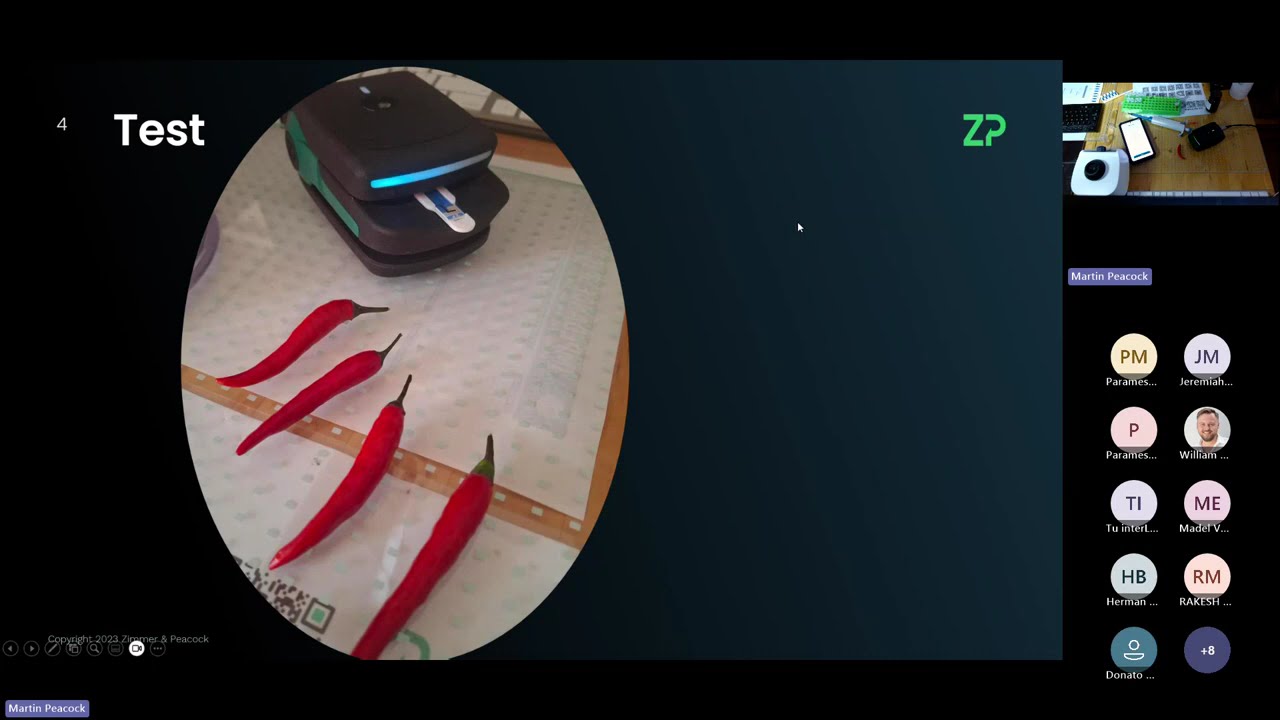
Understanding Chilli Pungency Measurement: Key Insights from the Webinar
Measuring the heat of chilli products is far more nuanced than simply assigning a Scoville Heat Unit (SHU) value. During a recent webinar, a number of insightful questions were raised around methodology, sample handling, and the interpretation of results. This blog brings those answers together to provide a clearer, practical understanding of how chilli pungency is measured using the Zimmer & Peacock system. A Consistent Approach to Measurement: The Role of the Buffer Solutio
martinpeacock13
May 293 min read
Food Sense Technology: Delivering Practical, Rapid Insights for Caffeine, Capsaicin and Ginger Analysis
In today’s fast-moving food and beverage industry, the ability to generate reliable, on-site analytical insights is becoming increasingly valuable. From quality control to procurement decisions, businesses need tools that go beyond theoretical lab precision and instead provide actionable results within real-world commercial ranges. Food Sense Technology is designed with this exact purpose in mind — offering a rapid, portable alternative to traditional laboratory methods, whil
martinpeacock13
May 293 min read
Measuring Capsaicin Across Chilli Samples: A Practical Guide with FoodSense Generation 4
Understanding the heat level of chilli-based products is essential for quality control, product development, and accurate labelling. In this live webinar and demonstration, we explored how to measure capsaicin—the compound responsible for heat—in a variety of chilli samples using the FoodSense Generation 4 system. This session covered real-world testing across fresh chillies, chilli powders, sauces, and oleoresins, while highlighting how preparation techniques and sample type
martinpeacock13
May 283 min read

Why Scale Matters: Achieving Accurate Capsaicin Measurements with FoodSense Gen 4
When analysing chilli extracts like habanero oleoresin, one assumption often creeps into the workflow: scale shouldn’t matter as long as the dilution is correct. In practice, however, scale can dramatically influence your results — especially when extraction efficiency is involved. In this post, we walk through a real-world comparison using the FoodSense Generation 4 system, demonstrating how identical dilution ratios can still produce vastly different Scoville Heat Unit (SHU
martinpeacock13
May 273 min read

Measuring the Heat of Fuego Red Jalapeño Hot Chilli Sauce with FoodSense Gen 4
When it comes to hot sauces, labels can often be misleading. Words like “hot” or “fiery” don’t always translate into real, measurable heat. In this post, we put that to the test by analysing Fuego Red Jalapeño Hot Chilli Sauce using the FoodSense Generation 4 device—sometimes referred to as a Scoville meter. Let’s walk through the process, the results, and what they actually mean. First Impressions: Aroma and Expectations Before any measurements, the sauce was assessed inform
martinpeacock13
May 203 min read

Measuring Scoville Heat Units with Electrochemical Precision: A Practical Look at Retail Hot Sauces
A quick, practical demonstration using a retail hot sauce In this short demonstration, we put a retail hot sauce to the test using FoodSense Generation 4, our latest solution for measuring chilli heat accurately and transparently. Hot sauces often come wrapped in dramatic branding—skulls, warning labels, and “death-tier” claims—but how hot are they really? Rather than relying on marketing or vague Scoville claims, this video shows how FoodSense Gen 4 measures actual Scoville
martinpeacock13
May 183 min read
🔥 Measuring the Heat: Live Webinar & Demo on Scoville Heat Units (SHU)
A live demonstration of modern, objective hot sauce heat measurement using FoodSense Generation Four 🌶️ Live Streaming Webinar & Instrument Demo 📅Morning Session Register now to secure your place 📅 Afternoon Session Register now to secure your place Turn Heat into Data: Measure Scoville Heat Units with Confidence Hot sauce consumers expect consistency. Regulators demand accuracy. Product developers need speed. Join us for a live streaming webinar and demonstration focused
martinpeacock13
Apr 182 min read
Measuring curcumin in turmeric
Introduction to Curcumin and Turmeric as a Natural Product Curcumin is the key active compound found in turmeric, responsible for its distinctive flavour, pungency, and vibrant colour. Beyond its culinary appeal, curcumin is widely recognised for its antioxidant properties and its reputation as a health-supporting natural product. Because of this, curcumin content is of growing interest across the food, nutraceutical, and ingredient supply industries. In this short demo, we s
martinpeacock13
Apr 153 min read

Measuring the Heat of a Niseko Chili Cocktail Mixer with FoodSense Generation 4
Understanding the heat level of chili‑based products is essential—especially when they’re designed for creative applications like cocktails. In this demonstration, we show how FoodSense Generation 4 can be used to accurately measure Scoville Heat Units (SHU) in the Niseko chili cocktail mixer , and how those results compare to a familiar benchmark: Tabasco® sauce . This example highlights not only the speed and simplicity of FoodSense measurements, but also the scientific t
martinpeacock13
Apr 123 min read

Measuring Caffeine in Teas, Coffee, and Energy Drinks Using FoodSense Generation 4 - Samples: CatSpring Yaupon - Texas Native Yaupon Tea: Marfa, Lost Maples, Pedernales
Samples: CatSpring Yaupon - Texas Native Yaupon Tea: Marfa, Lost Maples, Pedernales In this study, we set out to answer a straightforward but important question: How much caffeine is present in different drinks, and how clearly can it be distinguished from antioxidants? Using the FoodSense Generation 4 system with a caffeine sensor, we analysed a range of beverages including specialty teas from the USA, instant coffee, decaffeinated coffee, and a synthetic energy drink (Red
martinpeacock13
Apr 123 min read
How not is Slap Ya Mama?
Contact us – https://www.foodsensetechnology.com/contact-us In this live, no‑editing demonstration, we show how FoodSense Generation 4 measures the Scoville Heat Units (SHU) of a real-world hot sauce sample. Filmed exactly as recorded, this video walks through sample preparation, sensor setup, app control, and real-time analysis using the FoodSense Gen 4 chili sensor . The sauce tested is Slap Ya Mama Cajun Hot Sauce by Walker & Sons , picked up at a London show just days e
martinpeacock13
Apr 51 min read

640,000 ppm - Quantifying Super‑Soluble Ginger Extract with FoodSense Generation 4
In this video, we demonstrate how to measure a ginger super‑soluble extract using the FoodSense Generation 4 system. The sample tested is a highly pungent, oily ginger distillate/extract, described as “super soluble,” and requires a modified preparation approach to ensure accurate results. We walk step by step through the sample preparation , including an experimental pre‑dilution with 96% ethanol to help solubilise the oily matrix, followed by a high dilution into buffer
martinpeacock13
Apr 51 min read

High‑Spec Ginger Breakdown: Extreme Intensity, Real Data, No Shortcuts
In this video, we walk through a real, experimental analysis of a high‑spec ginger sample using the FoodSense electrochemical sensing platform. The focus is on sample preparation challenges with highly viscous, oily materials and how small changes—such as adding ethanol prior to dilution—can dramatically affect extractability and measurement outcomes. You’ll see a step‑by‑step dilution workflow , discussion around pipetting vs weighing viscous samples , and a transparent lo
martinpeacock13
Apr 51 min read

Measuring a 2 million SHU habanero oleoresin
In this live, unscripted demo, we measure the heat intensity of habanero resin samples using the FoodSense electrochemical sensing platform. The video walks through real‑world sample preparation, dilution strategies, and live sensor measurements, showing how the system responds to both mild and extremely intense capsaicin samples. Starting with a recap of an earlier mild habanero resin (after correcting for dilution), we then move on to a second, far more potent sample. You’l
martinpeacock13
Apr 41 min read
bottom of page